Unraveling the Secrets of Polyvinyl Alcohol (PVA)
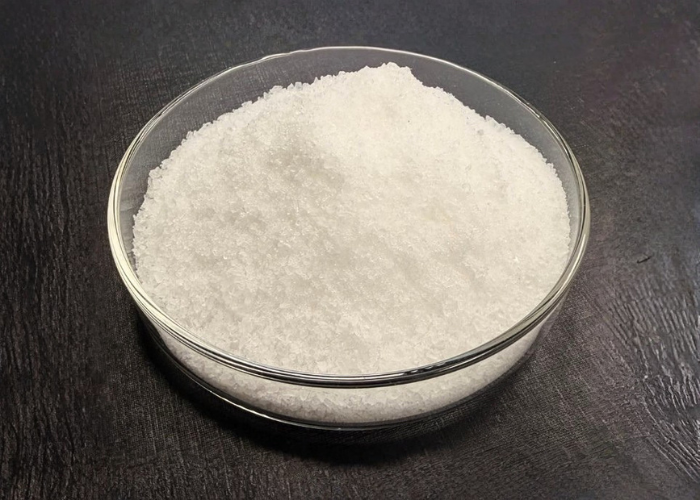
Polyvinyl alcohol (PVA or PVOH) is a water-soluble polymer of great industrial importance, used in the production of adhesives, coatings, films, paper and textile products, construction materials, and various other formulations. Although dissolving it in water may seem like a simple process, preparing PVA solutions requires attention to several parameters. Degree of hydrolysis, molar mass, […]
Activated Carbon: Quality Parameters, Pore Structure, and Applications in Adsorption Processes
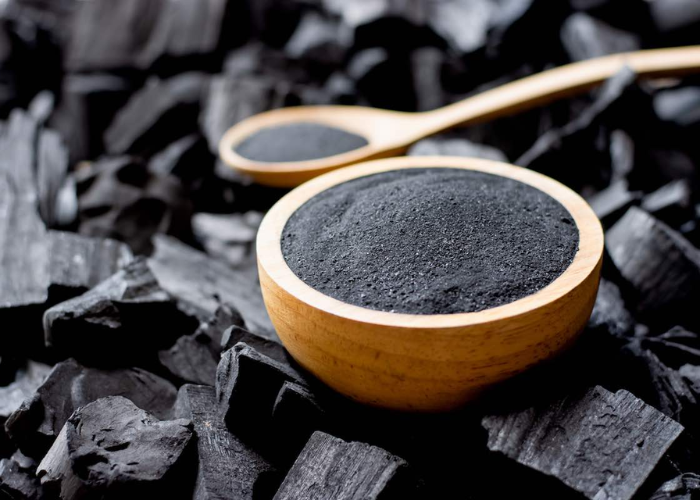
Activated carbon (AC) is one of the most widely used adsorbents in processes for the purification and treatment of water, effluents, gases, solvents, and various industrial streams. Its efficiency is directly related to the combination of its high surface area, porous structure, surface chemistry, and the physical characteristics of the particles. Although it is often […]
Biocides for Diesel and Biodiesel: Chemical Classes, Mechanisms of Action, Dosage, and Selection Criteria
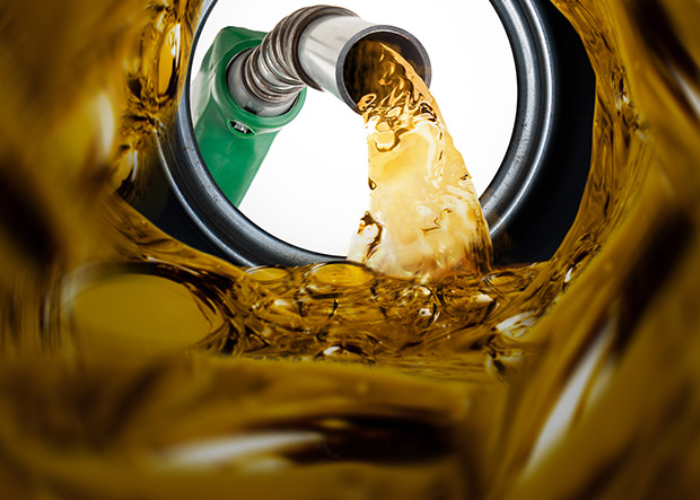
Microbiological contamination of fuels is a significant problem in storage, transportation, and distribution systems for diesel and blends containing biodiesel. The simultaneous presence of water, fuel, oxygen, nutrients, and metal surfaces can promote the growth of bacteria, fungi, and yeasts at the fuel/water interface. Microbial growth can result in the formation of biomass, organic acids, […]
Rhodamine B in the Coloring of Resin-Coated Plywood: The Chemistry Behind “Pink Plywood”

The so-called “pink plywood,” commonly used for construction site fences and other temporary applications in the construction industry, is an interesting example of how the industry combines wood, adhesives, resins, and dyes to produce a material with specific characteristics. Although it is popularly known for its pink or reddish color, this coloration does not necessarily […]